
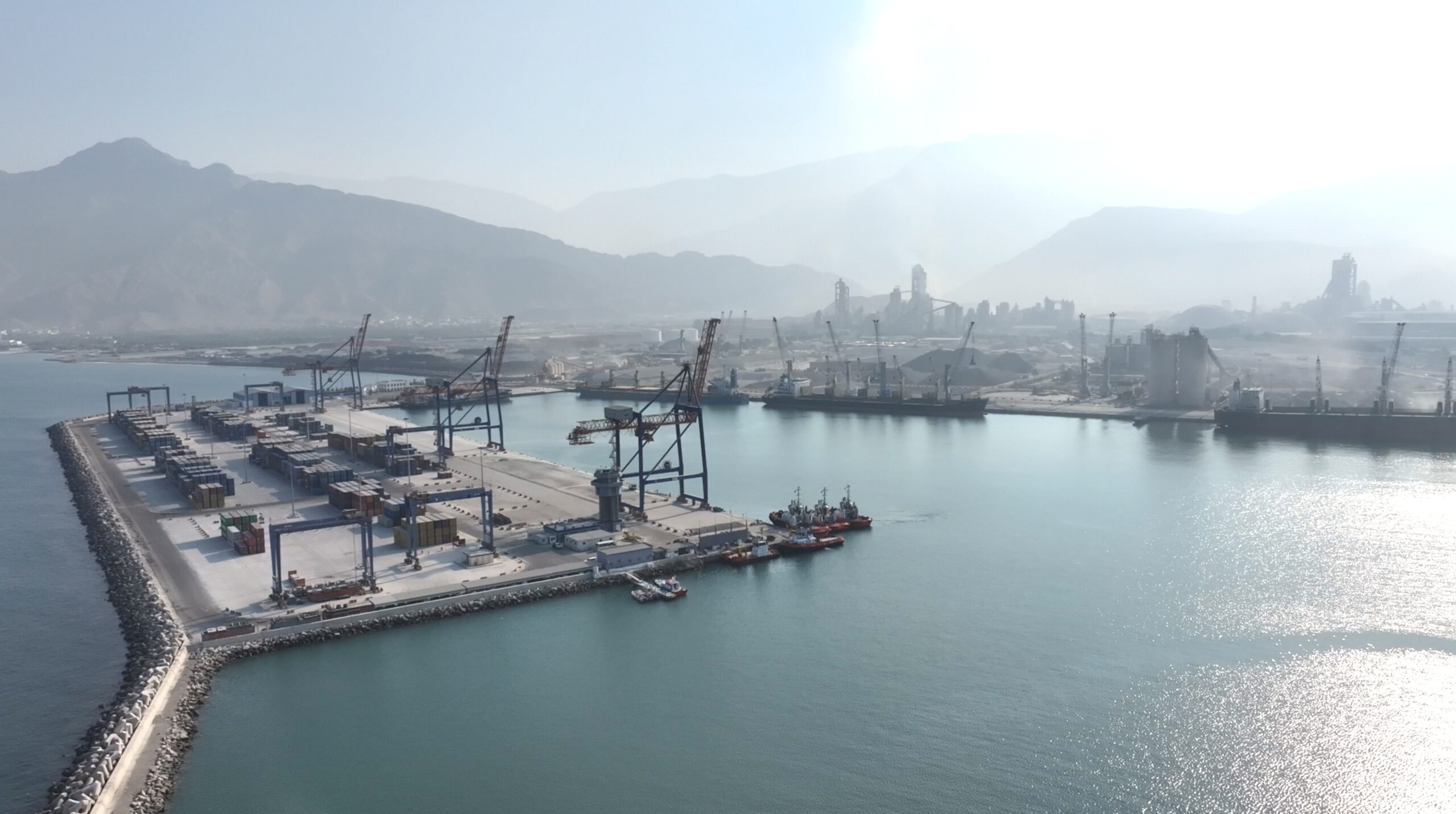
Saqr Port, one of the Middle East’s largest bulk-handling ports, is entering a new phase of growth. With expansion plans set to increase capacity to 100 million tonnes annually by 2027, Ras Al Khaimah is strengthening its position as a competitive global trade and logistics hub.
Port expansion
The Saqr 2.0 programme represents a strategic upgrade of the Emirate’s most vital logistics asset. By modernising operations and increasing throughput, it ensures Ras Al Khaimah is prepared for the demands of tomorrow’s global supply chains.
What businesses get
Larger vessel access
Industrial free zone space
Sustainability-focused cluster
Saqr 2.0 expands capacity and strengthens logistics, making Ras Al Khaimah a trade hub built for the future.
Strategic upgrades
A strategic approach to urban safety
As global cities face growing security challenges, Ras Al Khaimah stands out with over 10,000 AI-powered cameras deployed across the Emirate. These systems not only prevent incidents but also reduce response times, support safer road networks, and provide data-driven insights for continuous improvement.
As global cities face growing security challenges, Ras Al Khaimah stands out with over 10,000 AI-powered cameras deployed across the Emirate. These systems not only prevent incidents but also reduce response times, support safer road networks, and provide data-driven insights for continuous improvement.
A game-changer for global trade
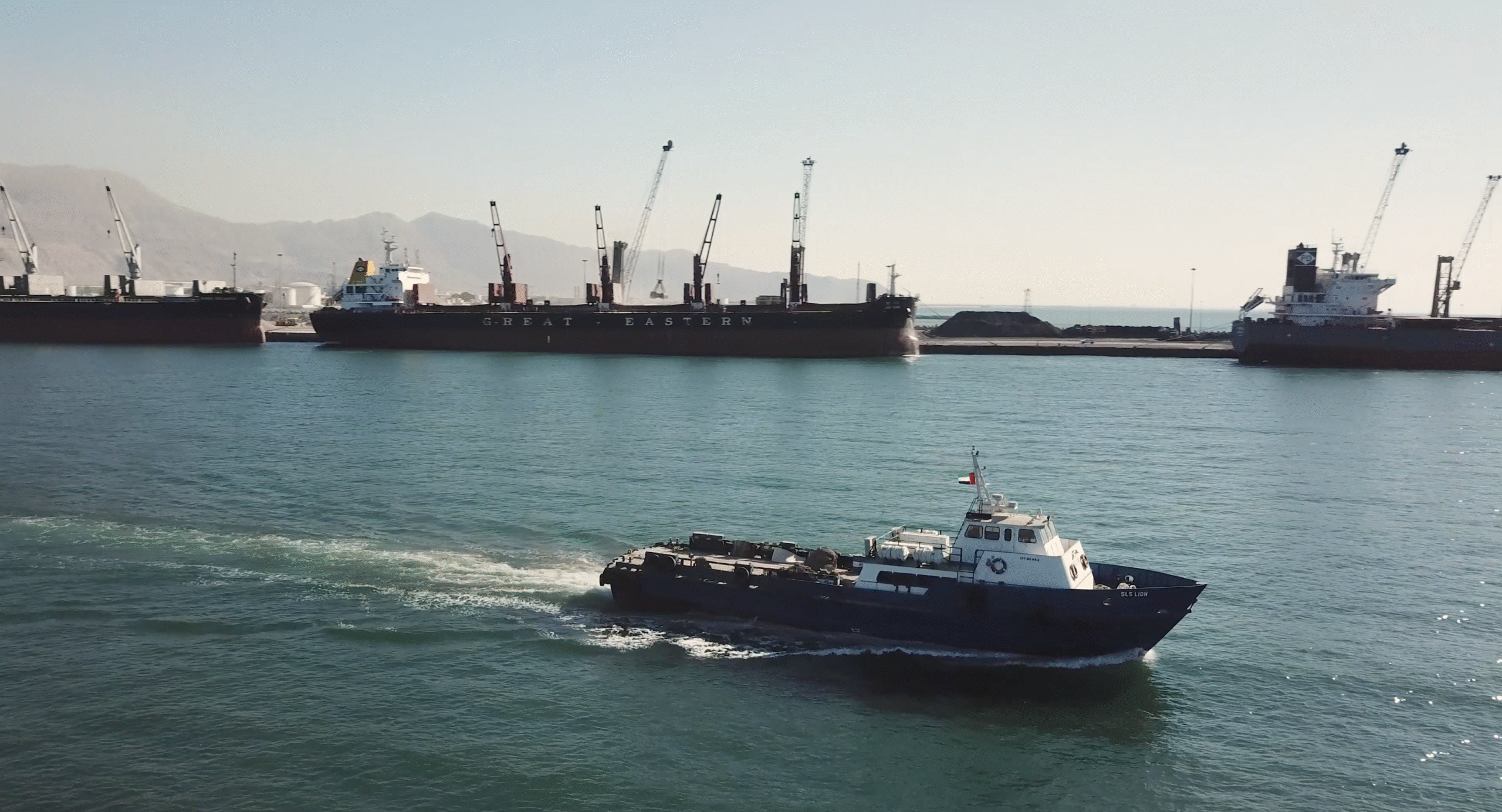
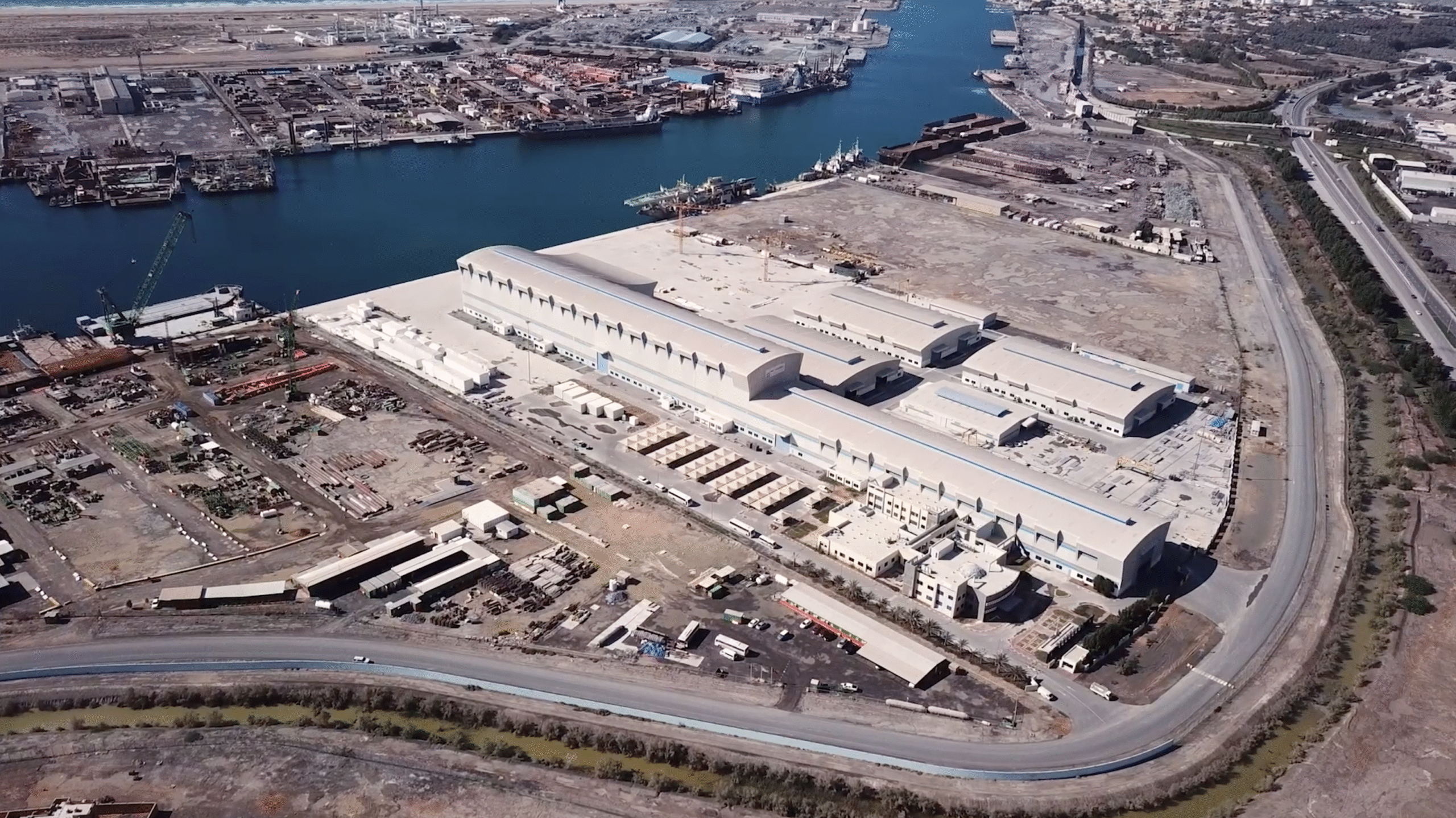
Deep-water berths are being constructed to accommodate larger vessels, significantly improving cargo-handling efficiency. Alongside this, an 8 million m² free zone is opening opportunities for industrial and logistics companies, with direct waterside access.A dedicated circular economy zone integrates recycling and reprocessing industries, positioning Ras Al Khaimah as a hub for sustainable trade and commerce.
Deep-water berths are being constructed to accommodate larger vessels, significantly improving cargo-handling efficiency. Alongside this, an 8 million m² free zone is opening opportunities for industrial and logistics companies, with direct waterside access.A dedicated circular economy zone integrates recycling and reprocessing industries, positioning Ras Al Khaimah as a hub for sustainable trade and commerce.
Business impact
How this matters
The expansion improves supply chain efficiency and lowers operating costs. Manufacturers and construction firms gain easier access to raw materials and export routes. Global traders benefit from faster turnaround times and reduced transport costs.Sustainability-focused industries can capitalise on new opportunities in recycling and reprocessing, reinforcing the Emirate’s commitment to green growth.
The expansion improves supply chain efficiency and lowers operating costs. Manufacturers and construction firms gain easier access to raw materials and export routes. Global traders benefit from faster turnaround times and reduced transport costs.Sustainability-focused industries can capitalise on new opportunities in recycling and reprocessing, reinforcing the Emirate’s commitment to green growth.
Looking ahead
With capacity expected to reach 100 million tonnes by 2027, Saqr 2.0 ensures Ras Al Khaimah can meet rising global trade demands. The port’s modernised logistics ecosystem supports Vision 2030’s goals of economic diversification, industrial expansion and sustainable development.
With capacity expected to reach 100 million tonnes by 2027, Saqr 2.0 ensures Ras Al Khaimah can meet rising global trade demands. The port’s modernised logistics ecosystem supports Vision 2030’s goals of economic diversification, industrial expansion and sustainable development.
 This is Ras Al Khaimah