
Geography

Where landscapes
shape identity

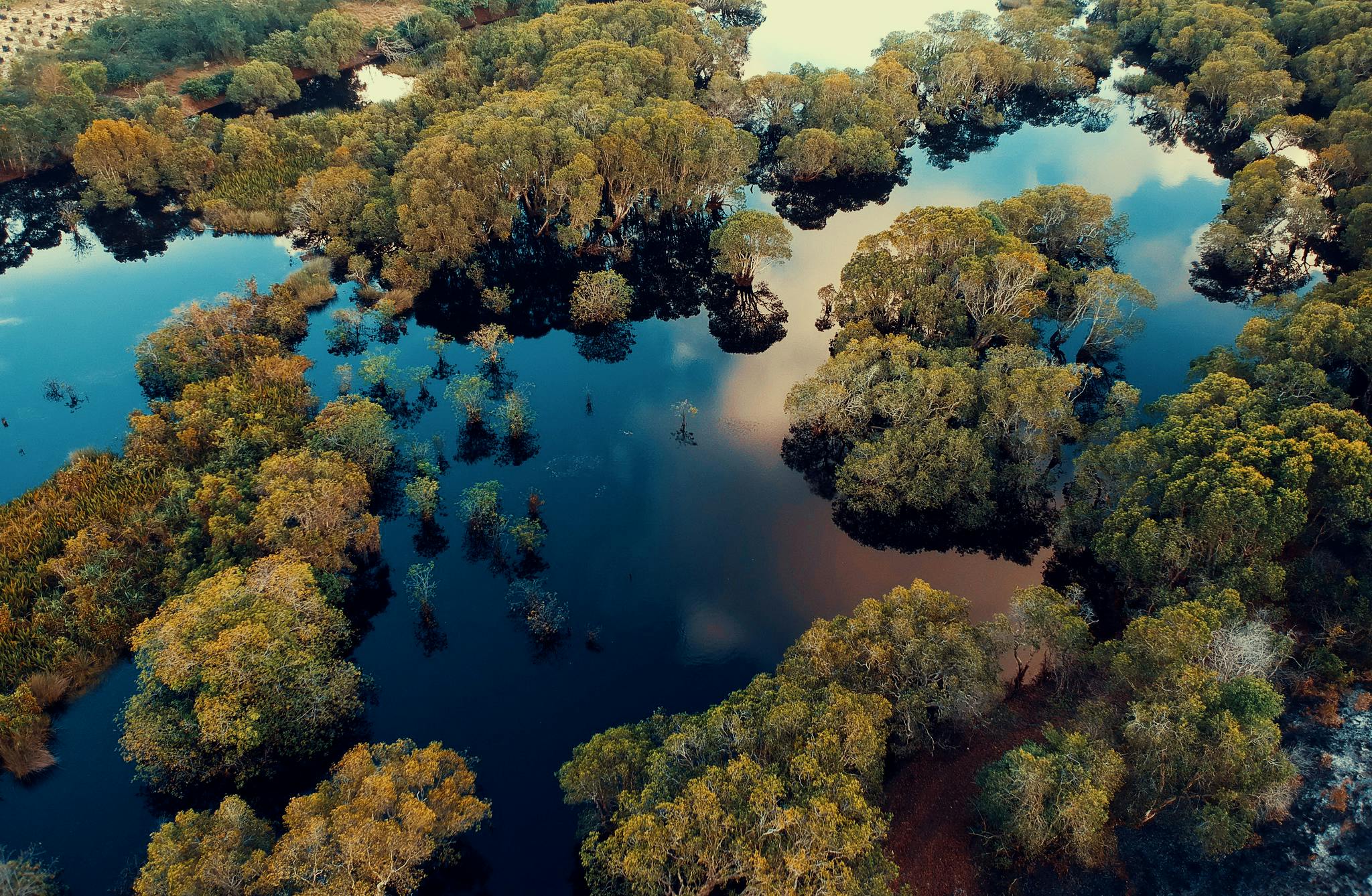
From coastline to mountains, the Emirate’s geography defines its character. Ras Al Khaimah spans 2,486 km² and offers a diverse landscape, ranging from the Hajar Mountains to fertile plains and mangrove-fringed shores.

From coastline to mountains, the Emirate’s geography defines its character. Ras Al Khaimah spans 2,486 km² and offers a diverse landscape, ranging from the Hajar Mountains to fertile plains and mangrove-fringed shores.

80 km of coastline

From Al Marjan Island in the south to the majestic mountains of the north, our beach-laden coastline hugs the warm waters of the Arabian Gulf.

The highest peak in the UAE

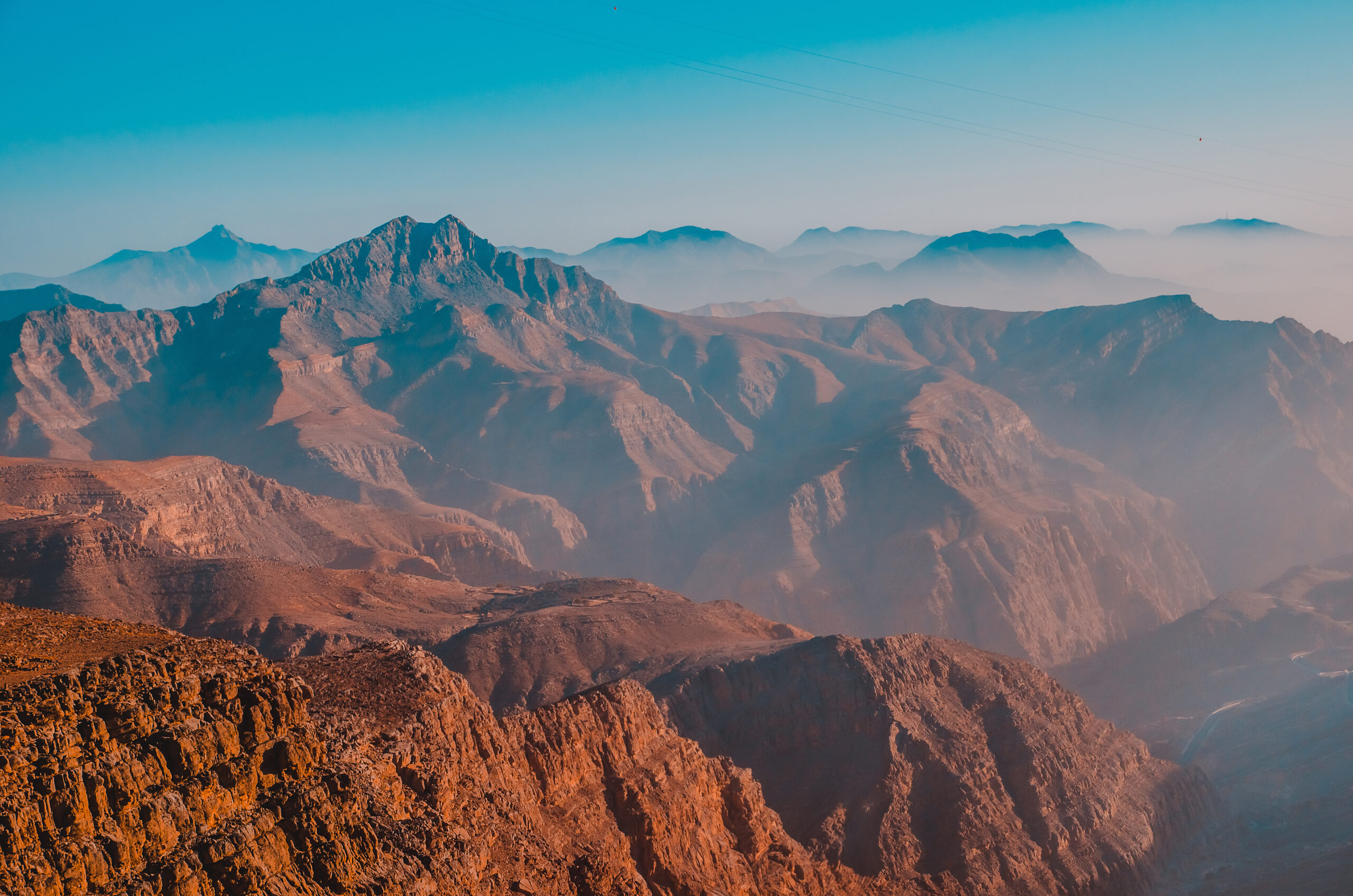
At 1,934 m, Jebel Jais is the highest peak in the UAE - a towering beacon of Ras Al Khaimah’s ambitions.

Borders 4 jurisdictions

Connections with its neighbours historically placed the Emirate as a strategic inland and coastal gateway, a fact that remains true today.
Three geographic zones with distinct microclimates

Annual rainfall and temperatures vary significantly, with the rugged north being the coolest and receiving the most rain in winter. These mountain slopes also support rare plant species and unique microclimates.

Annual rainfall and temperatures vary significantly, with the rugged north being the coolest and receiving the most rain in winter. These mountain slopes also support rare plant species and unique microclimates.

Card Image

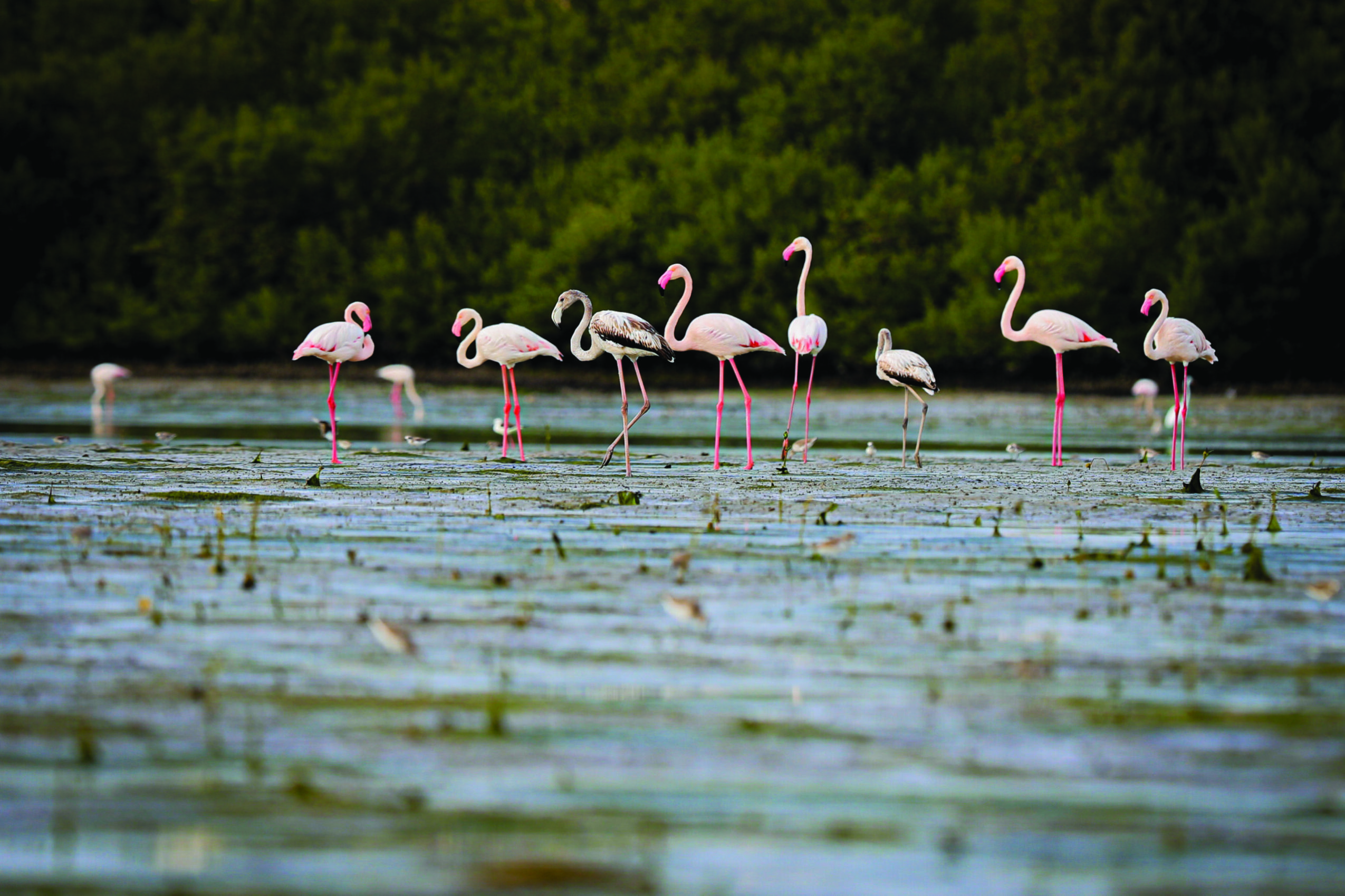
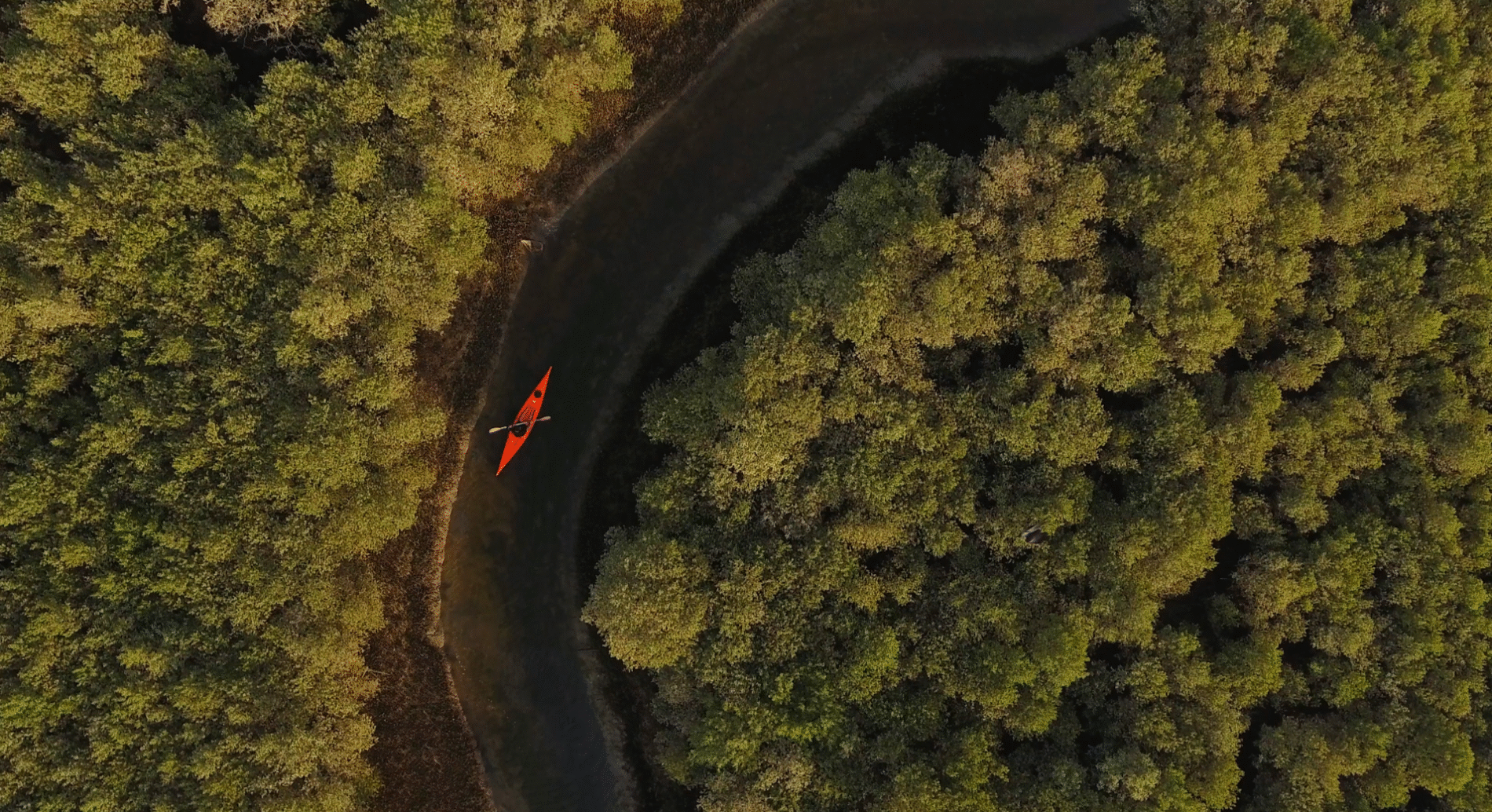
Coastal plains

Mangroves and tidal creeks along the coast support rich marine life and trace the Emirate’s maritime history. This area now blends natural beauty with fast-growing tourism and waterfront communities.
Card Image

Mountains

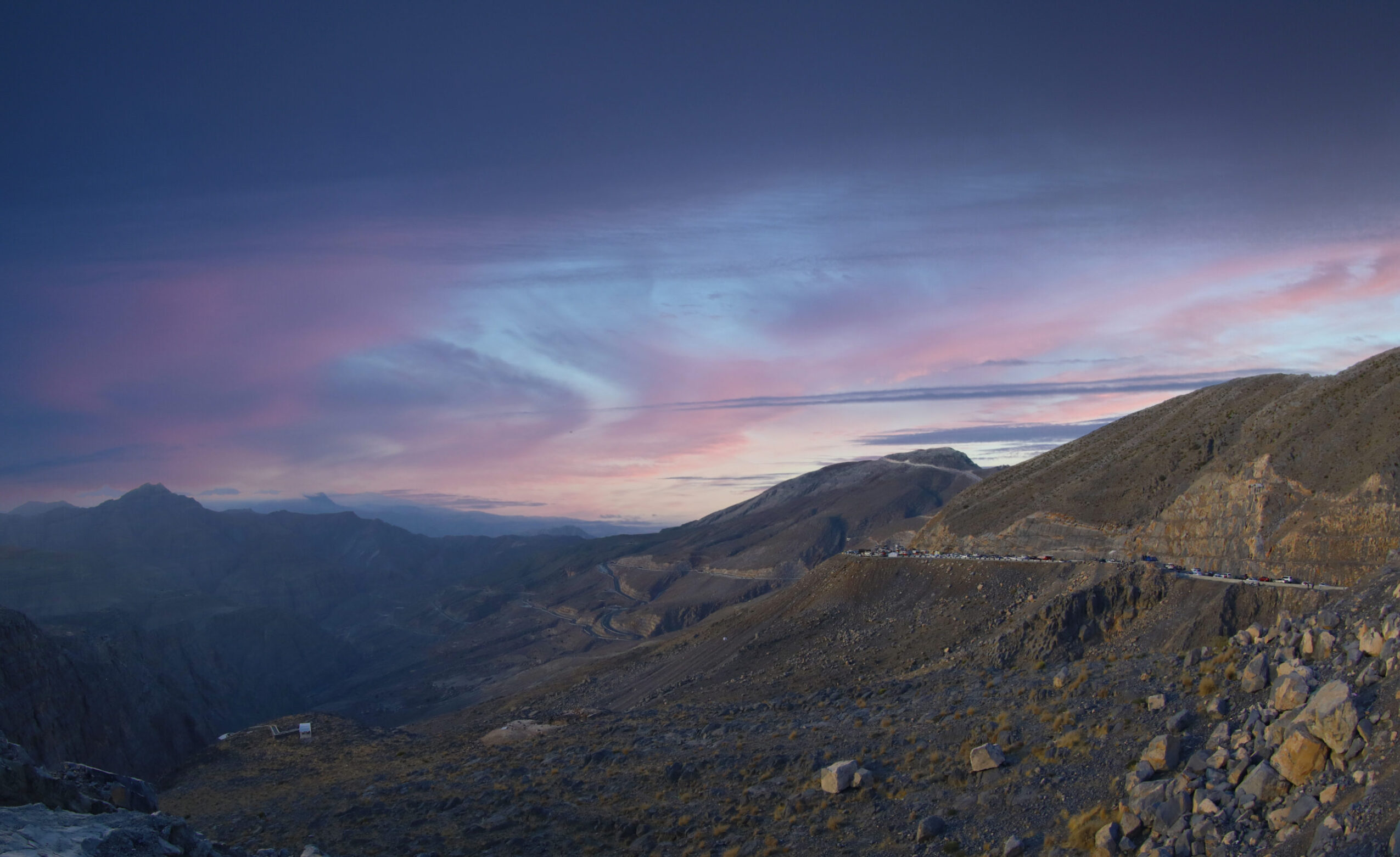
The mountain zone is defined by terraced farms, stone villages, and cooler microclimates that support rare flora and fauna. Wadis, which run through the range, have long sustained traditional irrigation and agricultural practices.
Card Image

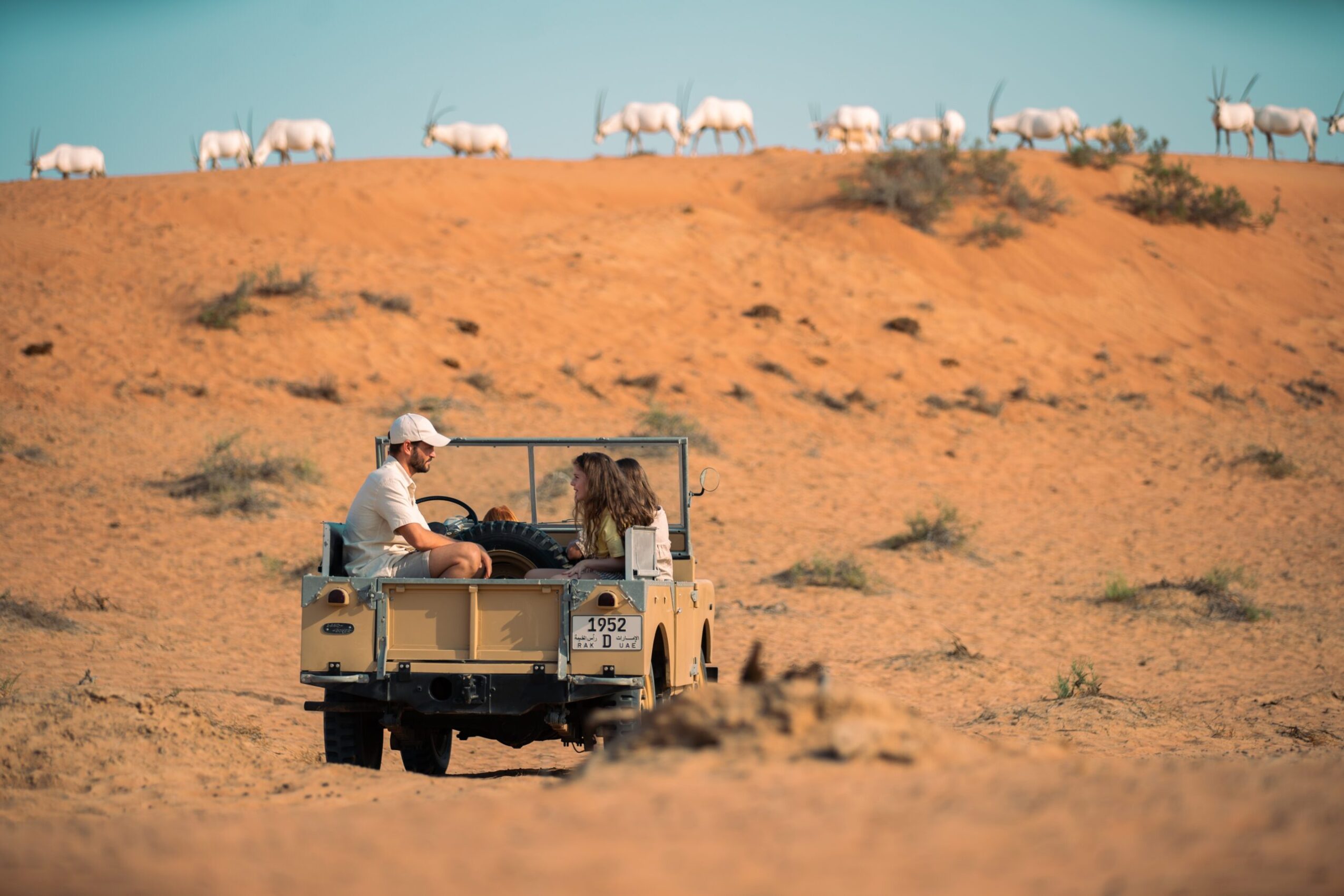
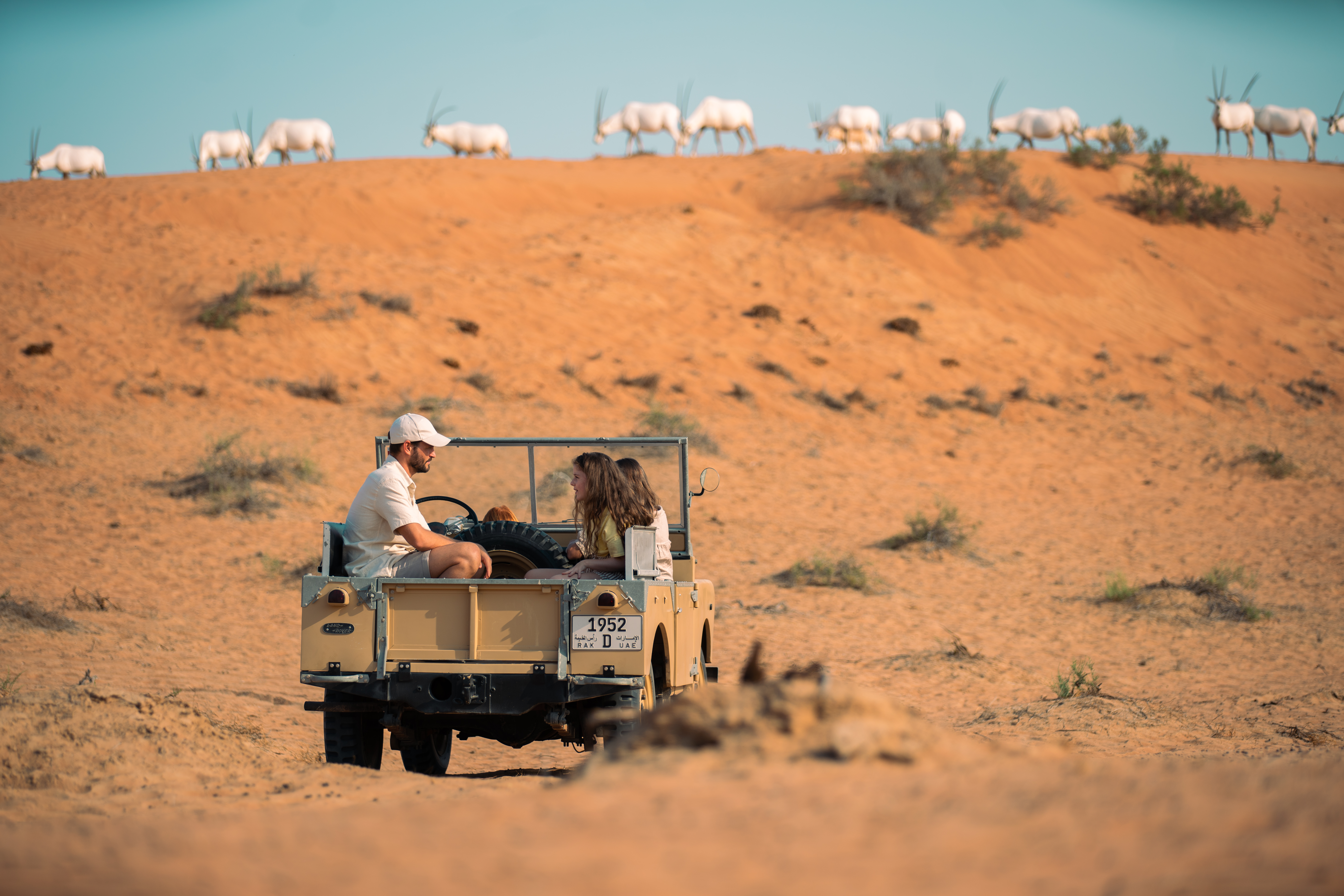
Desert interior

The desert interior is shaped by open sands, ancient wadis, and natural plateaus that once sheltered nomadic routes. Today, it preserves traces of Bedouin heritage and hosts fortified sites such as Dhayah Fort.
Coastal plains

Coastal plains

Mangroves and tidal creeks along the coast support rich marine life and trace the Emirate’s maritime history. This area now blends natural beauty with fast-growing tourism and waterfront communities.

Mountains

Mountains

The mountain area is defined by terraced farms, stone villages and cooler microclimates that support rare flora and fauna. Wadis, which run through the range, have long sustained traditional irrigation and agricultural practices.
Desert interior

Desert interior

The desert interior is shaped by open sands, ancient wadis and natural plateaus that once sheltered nomadic routes. Today, it preserves traces of Bedouin heritage and hosts fortified sites such as Dhayah Fort.
Nature

A landscape of biodiversity and conservation

Rich in biodiversity, Ras Al Khaimah is home to protected reserves, rare species and expansive ecosystems. Ongoing conservation efforts promote sustainable tourism while safeguarding the Emirate’s unique natural identity.

Rich in biodiversity, Ras Al Khaimah is home to protected reserves, rare species and expansive ecosystems. Ongoing conservation efforts promote sustainable tourism while safeguarding the Emirate’s unique natural identity.

Card Image

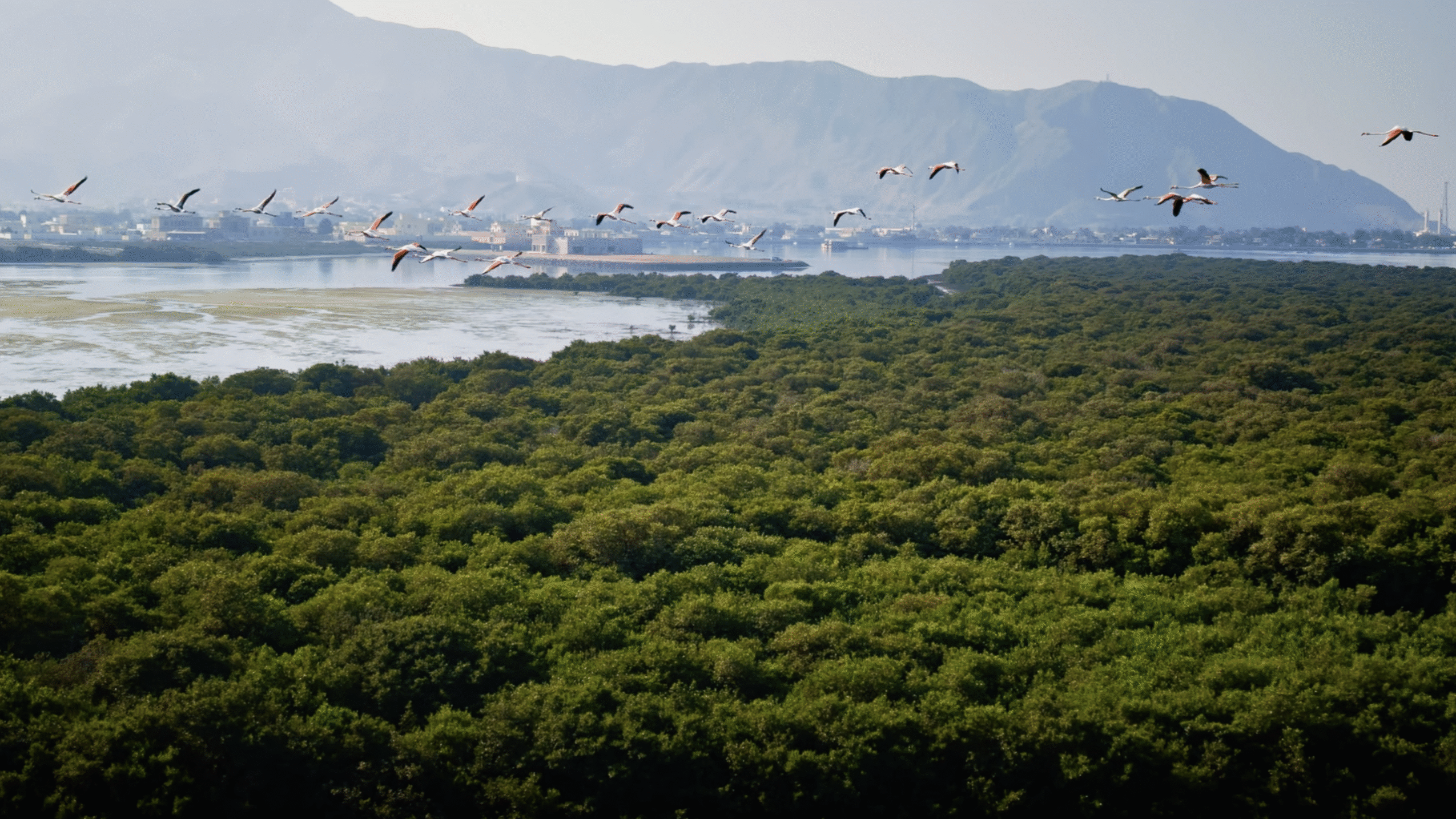
Expanding mangrove forest

Our mangroves have grown from 3.94 to 11.41 km², boosting biodiversity and climate resilience.
Card Image

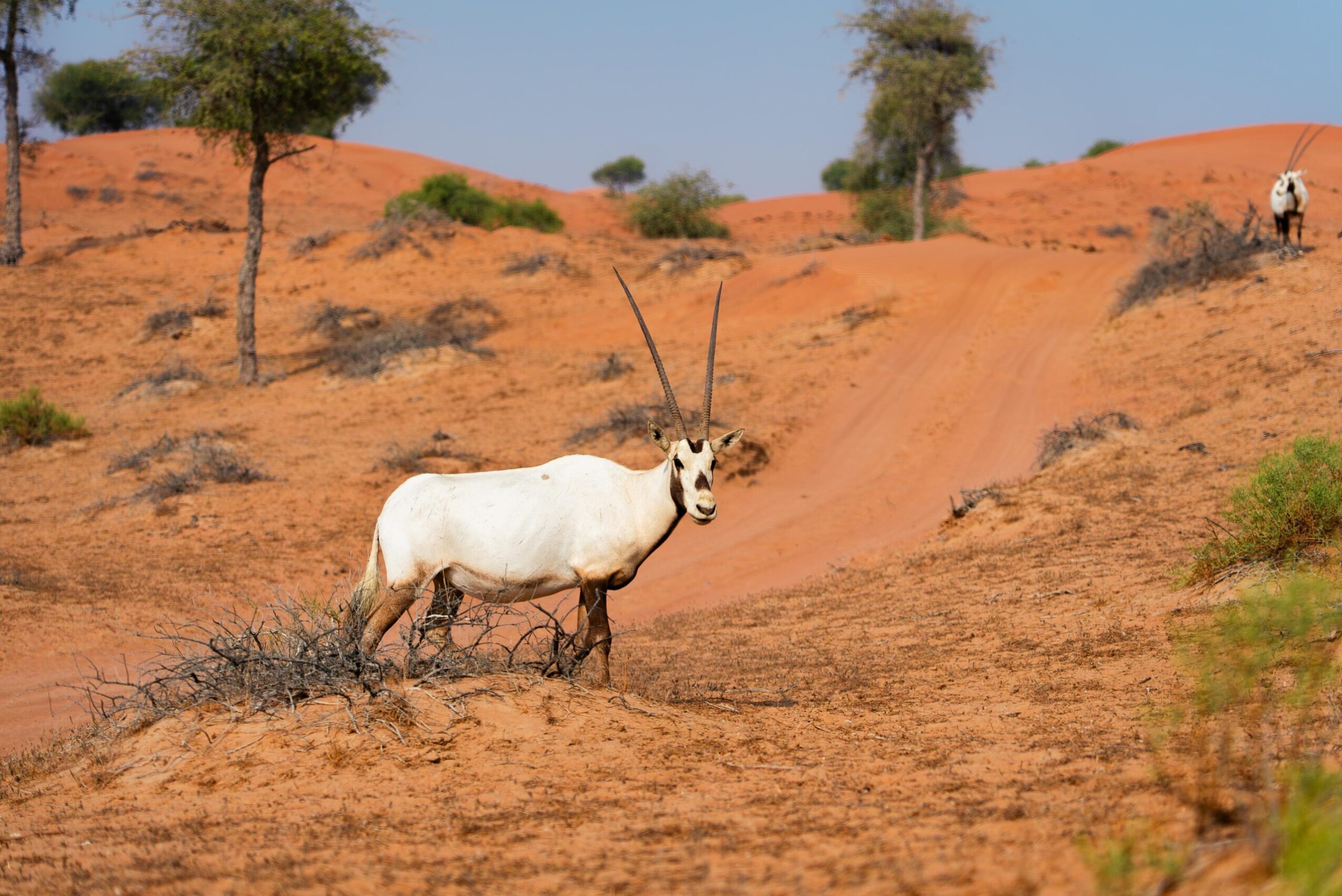
Preserving desert wildlife

Includes Al Wadi Nature Reserve - 1,000 acres of protected habitat, home to species like the Arabian oryx and desert foxes.
Card Image

Nature’s silent guardians

Over 300 native plants prevent erosion, conserve moisture and shelter wildlife in Ras Al Khaimah.
Card Image

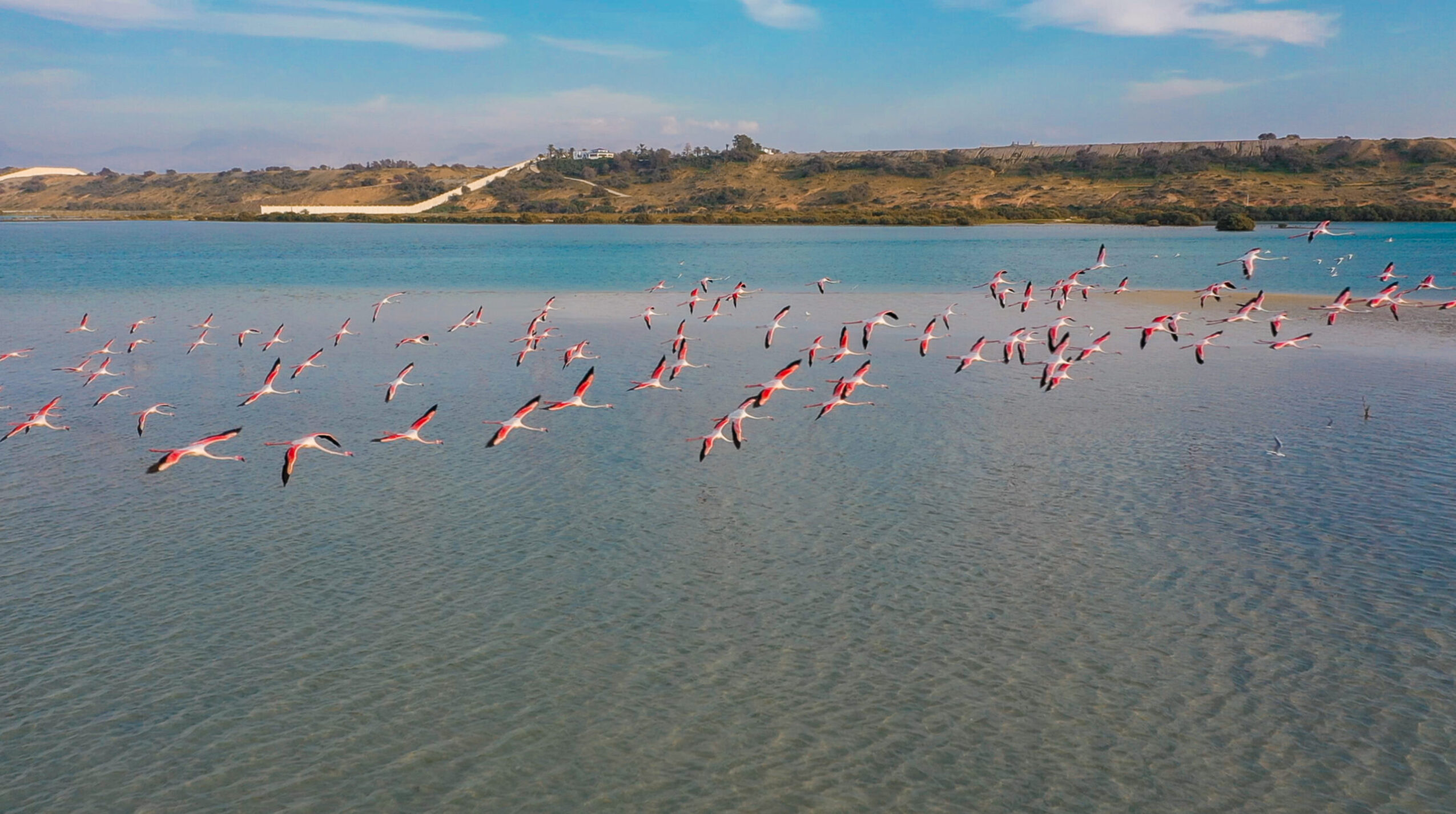
Birdlife in the wetlands

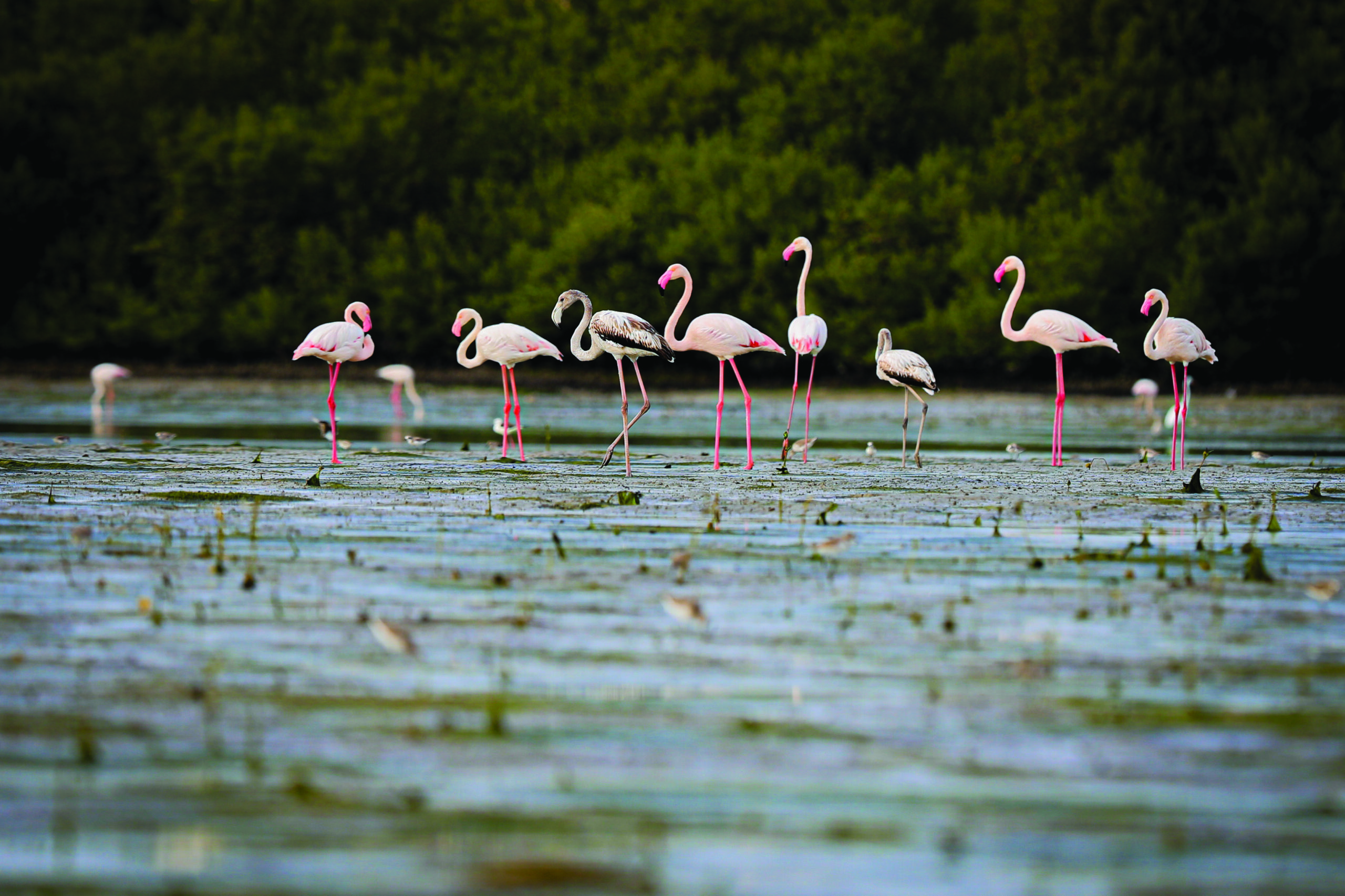
Home to 230+ bird species, Ras Al Khaimah’s wetlands, provide vital habitats for everything from flamingos to birds of prey.
Card Image

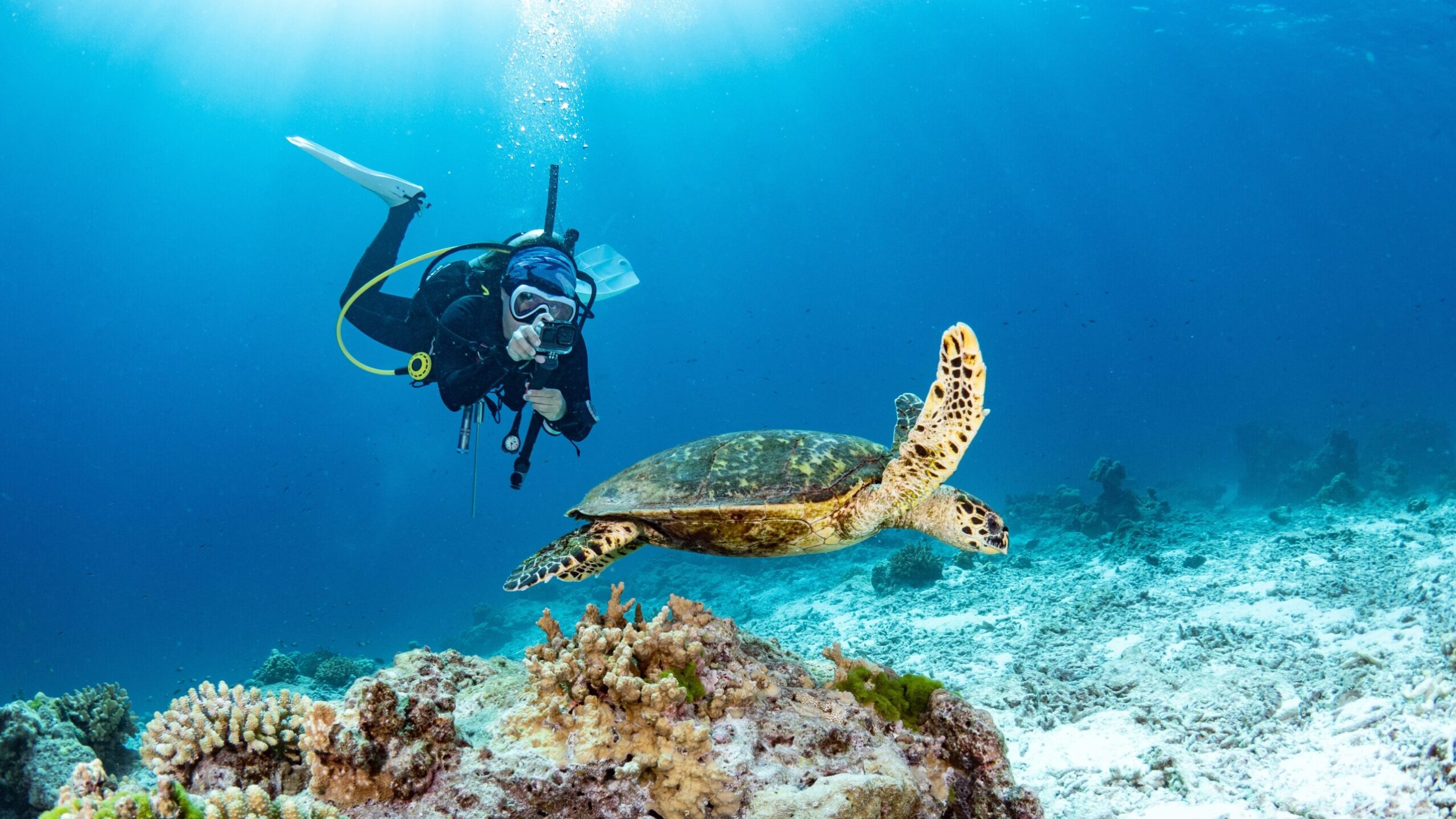
Life beneath the waves

Coral reefs and seagrass beds thrive along the coast, sustaining marine life where mountains meet the Arabian Gulf.
Card Image

Investing in nature

AED 500 million+ has been invested in eco-tourism and the environment, supporting lodges, trails and conservation projects.